

Where Are The Animals In Kani Cove Animal Jam
 | Spoiler alarm! This article shows where to find every location and fact nearly the natural environment of Kani Cove. You may not want to spoil the experience for yourself. |
Location
| Species | Location | |
|---|---|---|
 | Manatee | It tin can exist found slowly swimming near the entrance that leads to Tierney'southward Aquarium (Moving). |
 | Spotted Ophidian Eel | Information technology is located in the tipped-over barrel in between the left and right half of the sunken ship (Moving). |
 | Hammerhead Shark | It occasionally swims from the entrance of Tierney'due south Aquarium to the tattered sails of the ship wreck (Moving). |
 | Parrot Fish | Information technology can be found constantly pond back and forth through the red tube worm wall to the left of the ship wreck (Moving). |
 | Cormorant | It periodically dives downwards to the school of fish cervix the ship wreck'south mast (Moving). |
 | Nautilus | Information technology occasionally swims out from behind the rocks at the stern of the ship to the treasure chest near the tube worm field and then swims back (Moving). |
 | Conch | It slowly crawls along the sea floor (Moving). |
 | Shrimp | This creature periodically "hops" slowly along the bottom of the sea floor from below the archway to Deep Blue to below the entrance of Sunken Treasures (Moving). |
 | Sea Urchin | This lies simply to a higher place the treasure chest and to the right of the red tube worms (Withal). |
 | Cuttlefish | It appears camouflaged and swims quickly near the lesser of the bounding main floor from the Deep Blue entrance to Sunken Treasures (Moving). |
Fun Facts
There are x entries to notice here and the prize is the Toy Boat Pond.
| Species | Clarification | |
|---|---|---|
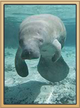 | Manatee | Manatees tin can grow up to xiii anxiety long and can counterbalance up to 1300 pounds! Manatees are likewise known as bounding main cows. Like all marine mammals, manatees have to exhale air from the surface. When they are at rest, they can stay underwater for xv minutes. |
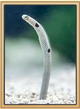 | Spotted Serpent Eel | Spotted snake eels spend lots of their time in the sand. They use their sharp, pointed tails to burrow backwards into the sand, and then they come out at night to feed. Spotted snake eels tin can grow up to four feet long! When they swim, spotted snake eels motility their bodies side to side in an Southward shape. |
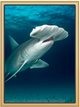 | Hammerhead Shark | Hammerhead sharks get their proper noun because their broad heads looks like behemothic hammers! Hammerhead sharks eat stingrays and they use their heads to pin stingrays to the ocean floor. Though most are usually smaller, some hammerhead sharks can grow upward to 20 feet long and can weigh up to 1000 pounds! |
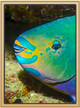 | Parrot Fish | Parrot fish get their name from their strong birdlike beaks. Their beaks are formed when their forepart teeth fuse together, and parrot fish apply them to grind up pieces of coral that contain algae. Parrot fish can change betwixt being male and female multiple times over their lives! |
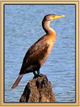 | Cormorant | Cormorants are water birds, which ways they live near oceans, lakes, and rivers. Some fifty-fifty make their nests out of seaweed. To take hold of the fish they eat, cormorants really dive and swim under the h2o! In some countries, fishermen train cormorants to catch fish for them! |
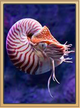 | Nautilus | Nautilus are mollusks, and are related to clams, sea snails, and scallops. Nautiluses are hands recognized by their smooth, coiled shells. These shells are made up of different chambers that are all connected and nautiluses can adjust gases in the sleeping room to bladder and sink! |
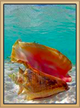 | Conch | Conches are body of water snails that are recognized past their large, triangular shells! "Conch" can be pronounced "konch or knon". Because their meat is eaten by people all over the world and considering their shells are desired by collectors, natural populations of conches have shrunk considerably in the recent past. |
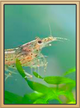 | Shrimp | Shrimp are crustaceans. They are related to crayfish, venereal and lobsters. They are almost 2000 species of shrimp, and they can exist found living in every sea on earth! Most shrimp are about i to 3 inches long, only some can grow up to 8 inches long! Big shrimp are sometimes chosen prawns. |
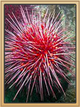 | Ocean Urchin | Bounding main urchins are echinoderms, and they are related to sea stars! Sea urchins are covered with long, movable spines. In some species, these spines are venomous, and they are used to fend off any potential predators. There are over 900 species of sea urchins! |
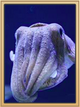 | Cuttlefish | Cuttlefish aren't fish. They're cephalopods, like squid and octopuses. Cuttlefish are known for their amazing ability to cover-up themselves in their environment. Cuttlefish change their patterns and colors quickly to hide from predators, besides as to communicate with one another. |
Gallery
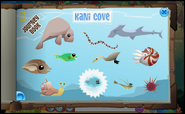
Completing Journey Book in Kani Cove.
Old Photos
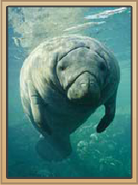
Manatee
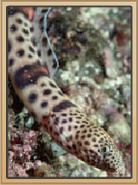
Spotted Eel Snake
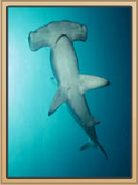
Hammerhead Shark
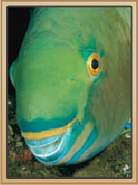
Parrotfish
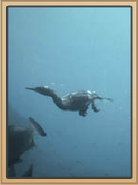
Cormorant
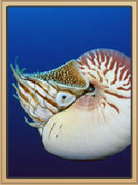
Nautilus
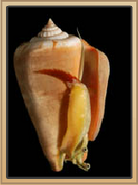
Conch
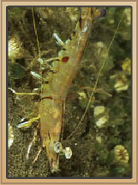
Shrimp
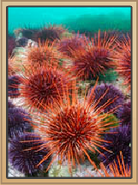
Sea Urchin
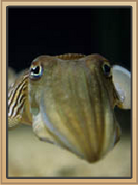
Cuttlefish
Source: https://animaljam.fandom.com/wiki/Journey_Book_%28Kani_Cove%29
Posted by: thomascuslichavy.blogspot.com
0 Response to "Where Are The Animals In Kani Cove Animal Jam"
Post a Comment